

New homeowners do not need another stack of pretty pages they will never use. They need help finding the water shutoff, keeping track of receipts, and remembering what must happen before the moving truck arrives. A useful printable should solve a real problem, not create more paperwork.
Many beginner creators make the mistake of designing a huge home binder before deciding what each page should actually do. The result can be a collection of similar checklists with different titles. A better approach is to start with one clear task and build a printable around it.
These printables for new homeowners cover moving day, household records, repairs, decorating decisions, and the small responsibilities that come with owning a home. Each idea can become a focused digital download with simple instructions and enough room for buyers to write their own details.
You can create these products in Canva or another familiar design tool. Keep the layouts easy to print, show buyers what each download includes, and check the current rules of your selling platform before publishing anything.
1. Moving Day Essentials Checklist for New Homeowners
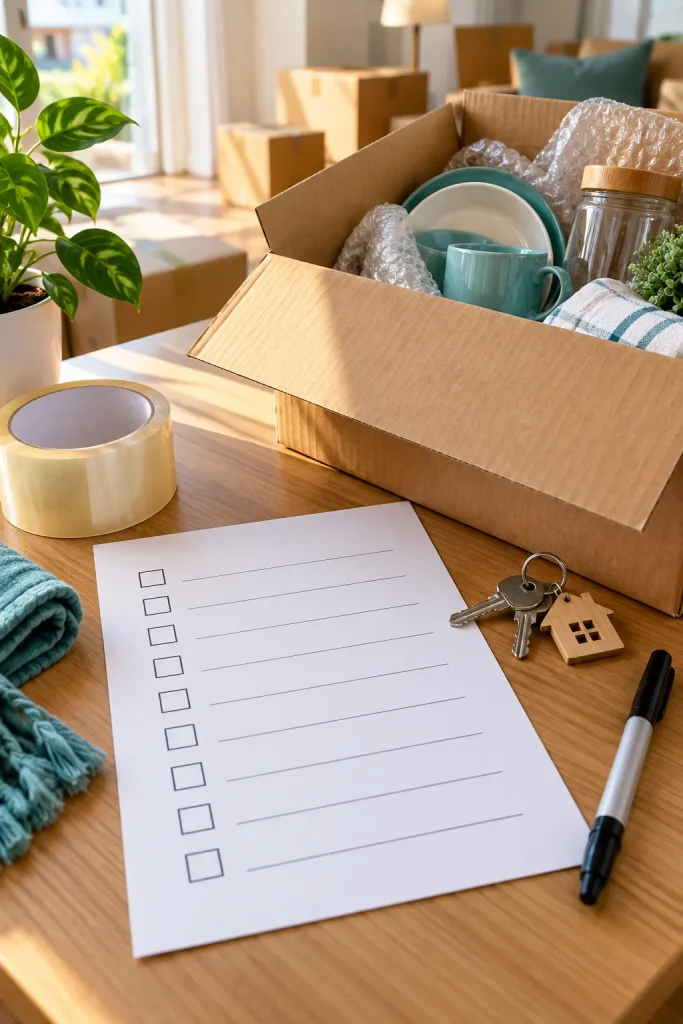
Make the checklist easy to follow
Moving day gets confusing when the essentials are packed in three different boxes. A printable checklist gives new homeowners one place to track the things they need before, during, and after the move.
Create a one-page printable with separate sections for moving supplies, important documents, and first-night items.
- Add small checkboxes beside every task.
- Leave a few blank lines for personal reminders.
- Include a separate space for tasks that must be done before leaving the old home.
This product works well as a standalone download or part of a larger moving planner. Keep the wording short enough to scan while carrying boxes.
2. Moving Box Inventory Sheets With Room Labels
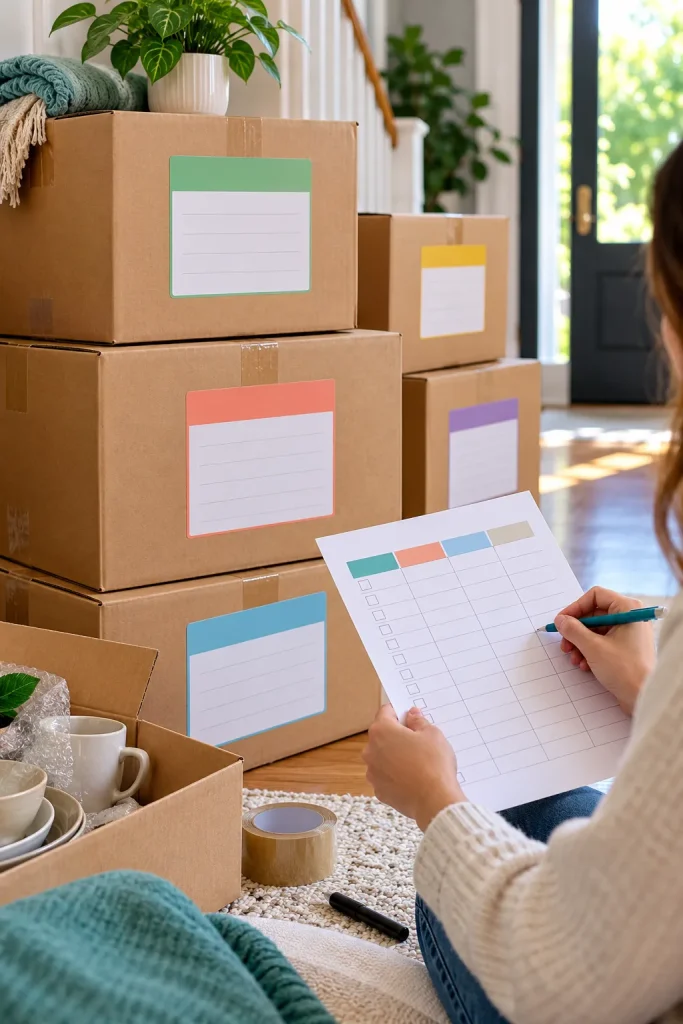
Package the pages together
A cardboard box marked “kitchen” is not much help when someone needs the coffee maker before breakfast. A matching inventory sheet and room label system makes unpacking easier.
Design a printable set that gives each box a number and a destination room. The inventory page should have space for a short contents list, fragile items, and unpacking priority.
Offer several label designs with a matching inventory worksheet. Keep the box numbers large enough to read from across a room.
Use simple color accents for different rooms, but make sure the labels still work when printed in black and white. That keeps the download practical for everyday home printers.
📋 What to Include in the Printable Kit
3. First Week Home Setup Planner With Daily Tasks
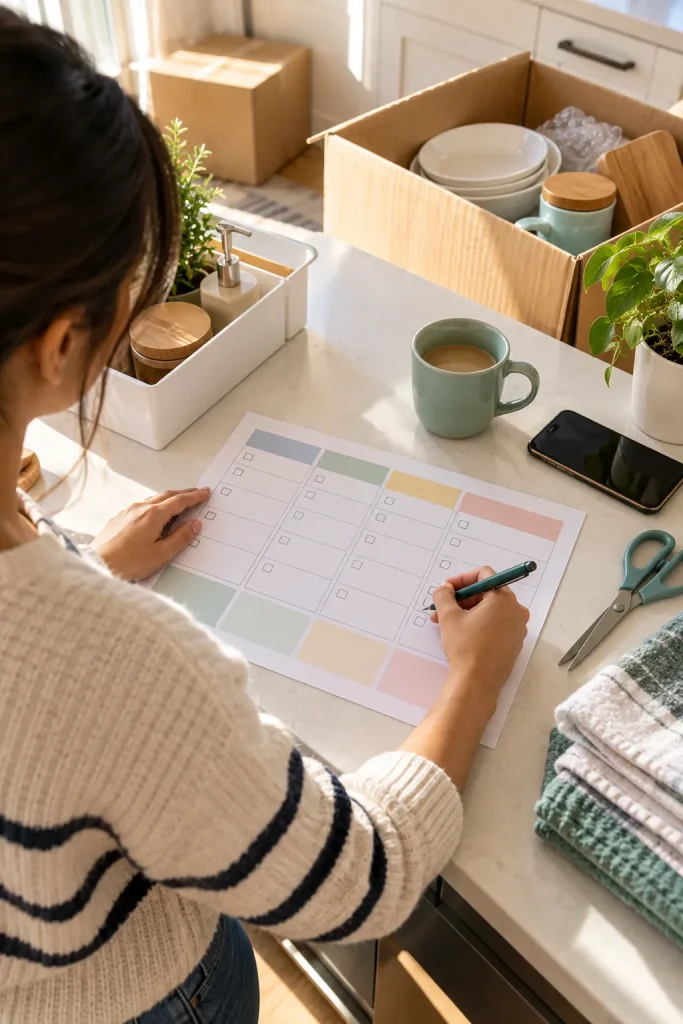
Build a flexible seven-day layout
The first morning in a new house often starts with a small problem. The towels are still packed, the internet needs attention, and nobody remembers where the scissors went.
A first-week setup planner helps homeowners spread those little jobs across several days instead of trying to finish everything at once.
Give each day room for three priority tasks, a short shopping list, and one reminder. Add a separate area for unfinished tasks that can move to another day.
You can offer both dated and undated versions. The undated format is especially useful because buyers can begin using it on any moving date.
Tasks scattered across phone notes, loose receipts, and sticky notes on the fridge.
A clear daily plan with room for the next task, supplies to buy, and anything that needs rescheduling.
4. Utility Transfer Tracker With Activation Dates
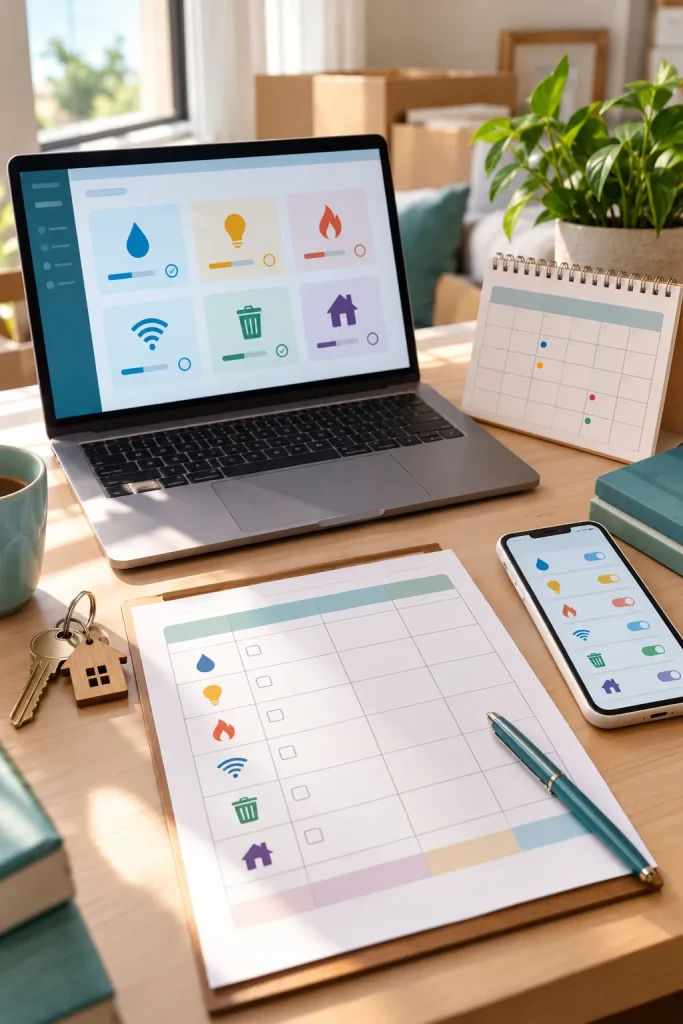
Add fields people actually need
Setting up electricity, water, gas, and internet often involves different providers and different activation dates. A new homeowner can easily forget which account is already arranged.
A utility transfer tracker puts those details into one tidy worksheet.
Include columns for the provider name, contact details, account reference, requested activation date, and confirmed service status.
A notes area is useful for recording a follow-up call or installation appointment. Leave the worksheet blank rather than filling it with location-specific providers.
Sell it as a single-page tracker with an optional second page for longer notes. Buyers should be able to understand the layout without reading a separate instruction manual.
🔌 Three Steps to Organize Utilities
List each service. Include electricity, water, gas, internet, and any other household utilities.
Record activation details. Write the requested start date and any appointment reference.
Check the connection. Mark each service as active only after confirming it is working.
5. New Home Expense Worksheet for One Time Purchases
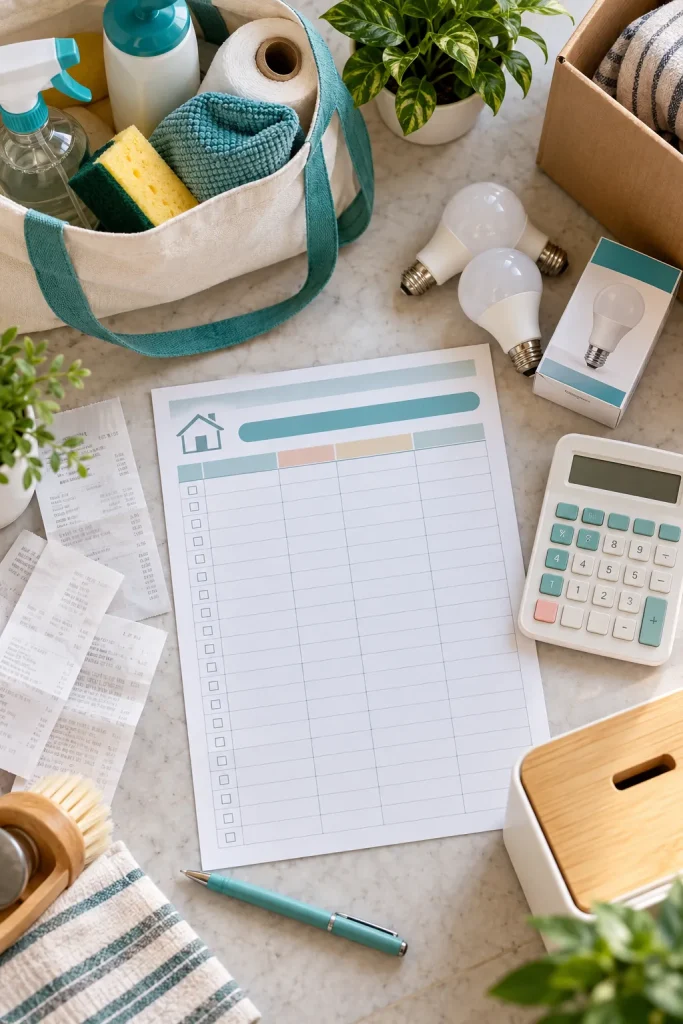
Separate essential purchases from extras
A new shower curtain, extra light bulbs, cleaning supplies, and a few missing kitchen items can turn into a long shopping list.
An expense worksheet helps homeowners record these one-time purchases without mixing them into their regular monthly budget.
Design a worksheet with columns for the item, room, estimated cost, actual cost, and purchase status.
Include a small section for items that can wait until later. This makes the page more useful than a basic receipt list.
Offer a printable version with generous writing space and an editable version for buyers who prefer typing. Simple category labels will make the worksheet easier to scan.
6. Seasonal Home Maintenance Calendar Pages
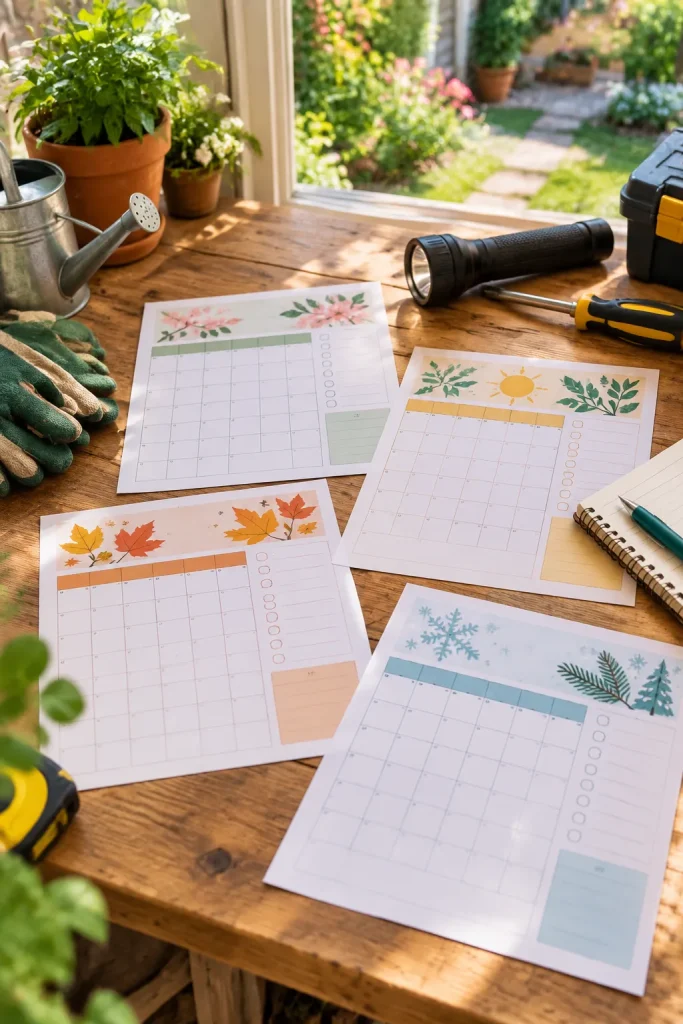
Keep the schedule adaptable
A seasonal maintenance calendar has a different purpose from a daily cleaning schedule. It helps homeowners remember household checks and upkeep jobs that do not happen every week.
Create a four-season printable with separate spaces for indoor and outdoor tasks.
Include blank task rows, completion dates, and a notes area for professional appointments.
Home maintenance needs vary with climate, property type, and equipment. Rather than printing rigid deadlines, give buyers room to add recommendations from appliance manuals or local professionals.
A matching annual overview page can help buyers see which tasks are coming up without flipping through every seasonal sheet.
| Recurring Checks | Seasonal Preparation |
|---|---|
| Review appliance filter instructions | Check outdoor drainage before the local rainy season |
| Record completed equipment checks | Arrange cold-weather preparation where needed |
| Note repairs needing follow-up | Schedule suitable outdoor upkeep for the season |
7. Appliance Warranty and Receipt Tracker
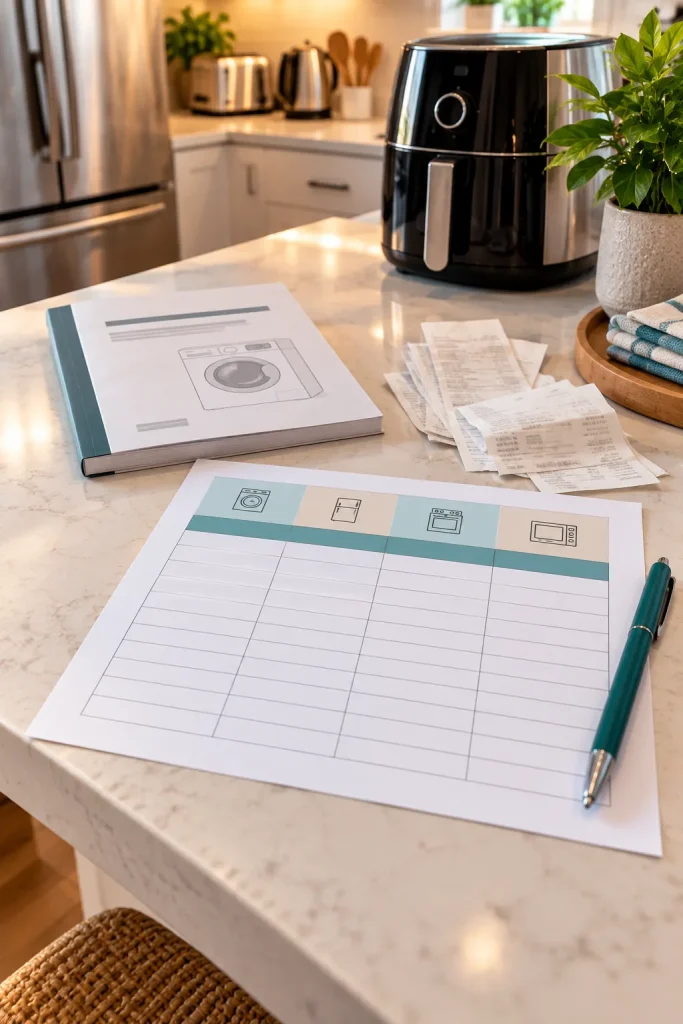
Leave room for the important details
The mistake with appliance paperwork is assuming every receipt will be easy to find when something stops working. A few months later, that small piece of paper may be buried in a drawer.
An appliance warranty tracker gives homeowners a dedicated record for each major purchase.
Include fields for the appliance name, brand, model number, serial number, purchase date, seller, and warranty information.
Add a space to record where the receipt or digital purchase confirmation is stored.
You can also create a matching cover page for an appliance records binder. Keep warranty terms editable because coverage differs between products and manufacturers.
Record the exact model and serial number.
Keep proof of purchase with the relevant product record.
Assuming every appliance has the same coverage period.
Entering an expiration date without checking the warranty terms.
8. Emergency Shutoff Location Reference Map
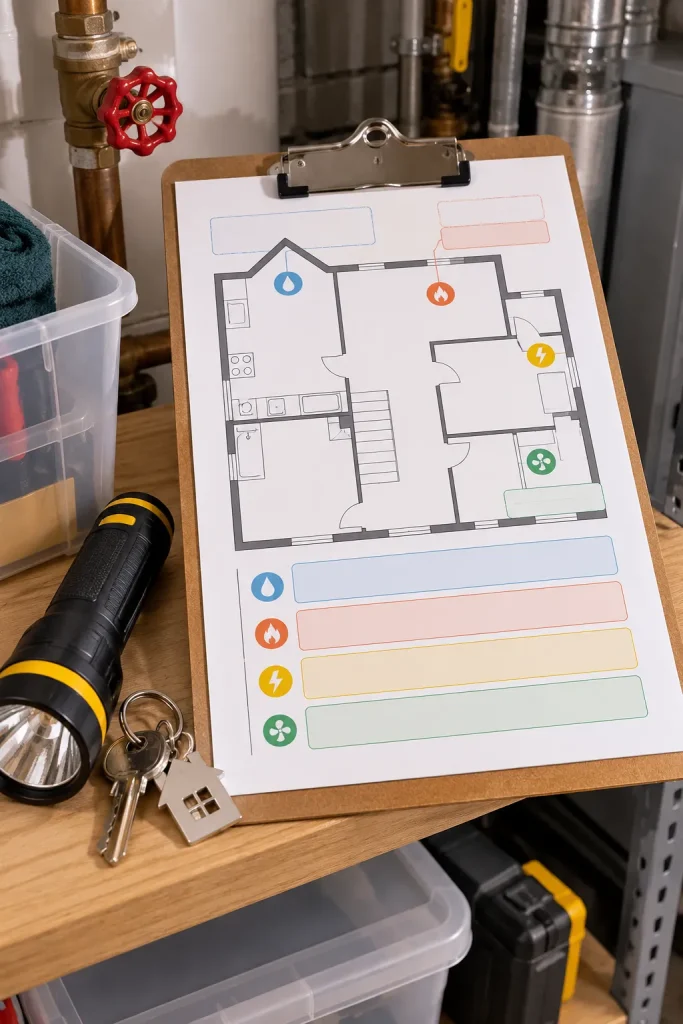
Design a clear reference sheet
Knowing where a home’s main water shutoff is located can save valuable time when a leak happens. Yet many homeowners do not record this information after moving in.
A printable emergency shutoff map gives them a simple place to document important household control locations.
Create a blank house outline with space to mark the main water valve, gas shutoff, electrical panel, and any other relevant controls.
Add separate fields for the location description and who verified it.
This printable suits homeowners who want a quick household reference they can keep in a utility cupboard or home information binder.
⚠️ Important Safety Note
The reference map should record verified locations, not guess where controls are. Homeowners should ask a qualified professional when unsure about a gas, water, or electrical shutoff. The printable is an information record, not a substitute for safe operating instructions.
9. Room Measurement Planner for Furniture Fit
Make room for three measurements
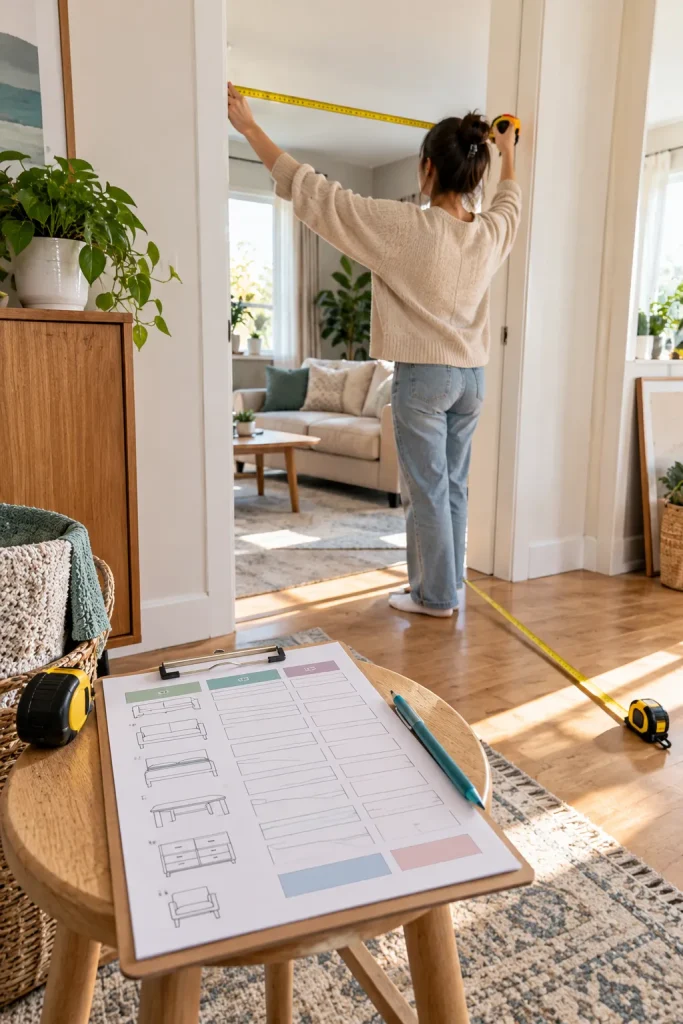
Measure the route a sofa must travel, not just the wall where it will sit. A room measurement printable can help new homeowners avoid ordering furniture that cannot pass through a narrow doorway.
Build boxes for room dimensions, doorway widths, and furniture dimensions. Add a quick sketch area with arrows showing the delivery path.
Include a field for stairs, tight turns, and elevator openings when relevant. Buyers can take the sheet to a furniture showroom or keep it beside online product listings.
Leave measurement units blank or offer separate metric and imperial versions so the printable works for different households.
Furniture needs to fit through the delivery route before it can fit inside the room. Record the narrowest opening, tight corners, and any packaging dimensions that may affect delivery.
10. Paint Color and Finish Record Cards

Give every color its own card
A leftover paint tin may have the right shade, but its label can fade or disappear before the next touch-up. Printable paint record cards give homeowners a way to keep those details together.
Create individual cards for each painted room or surface. A simple layout works better than a crowded decorating worksheet.
Add space for the paint brand, color name, product code, finish, and room location.
Include a blank square where buyers can attach a real paint swatch. A notes section can record which wall or trim received the color.
Offer several cards per page for compact storage in a home decorating binder.
🎨 Paint Record Card Checklist
11. Renovation Project Planner With Task Milestones
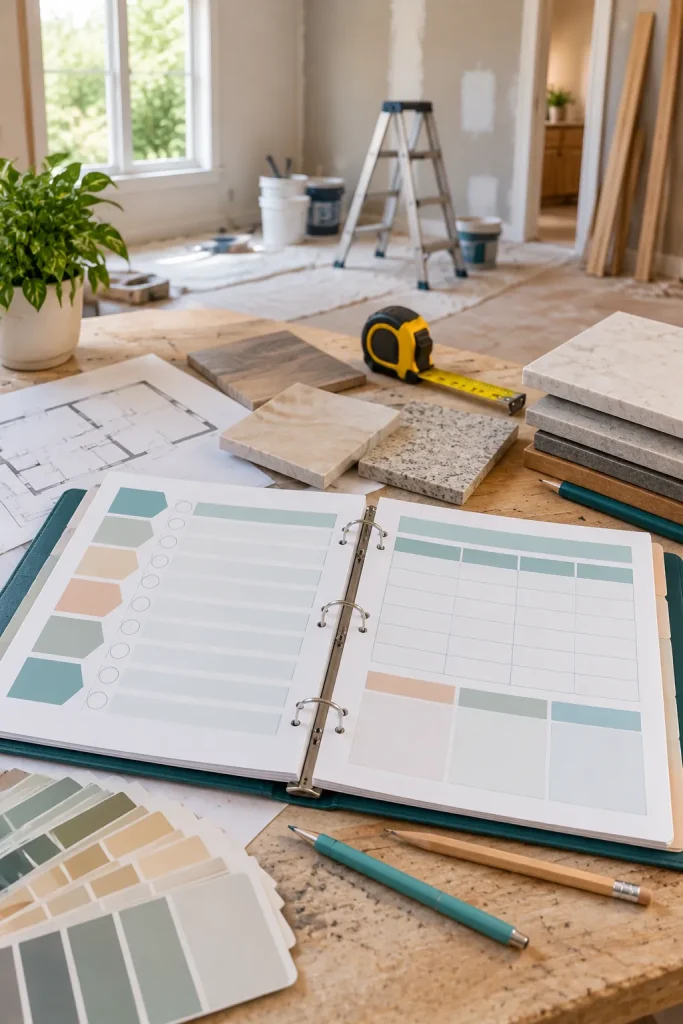
Organize the project into milestones
A renovation planner gives homeowners a clearer view of a project that involves several decisions, deliveries, and appointments.
Rather than offering a general to-do list, create a printable focused on one renovation at a time. A bathroom update and a kitchen project may have different tasks, but both need a way to track progress.
Include fields for the project goal, planned tasks, responsible person, target dates, and completion status.
Add a separate section for decisions that must happen before another task can begin, such as choosing fixtures before ordering them.
Beginners can sell this as a small printable project pack with a milestone sheet and a notes page.
12. Contractor Quote Comparison Worksheet
Focus on what each quote includes
Two contractor quotes can describe the same renovation while including very different work. Comparing only the final total may hide important details.
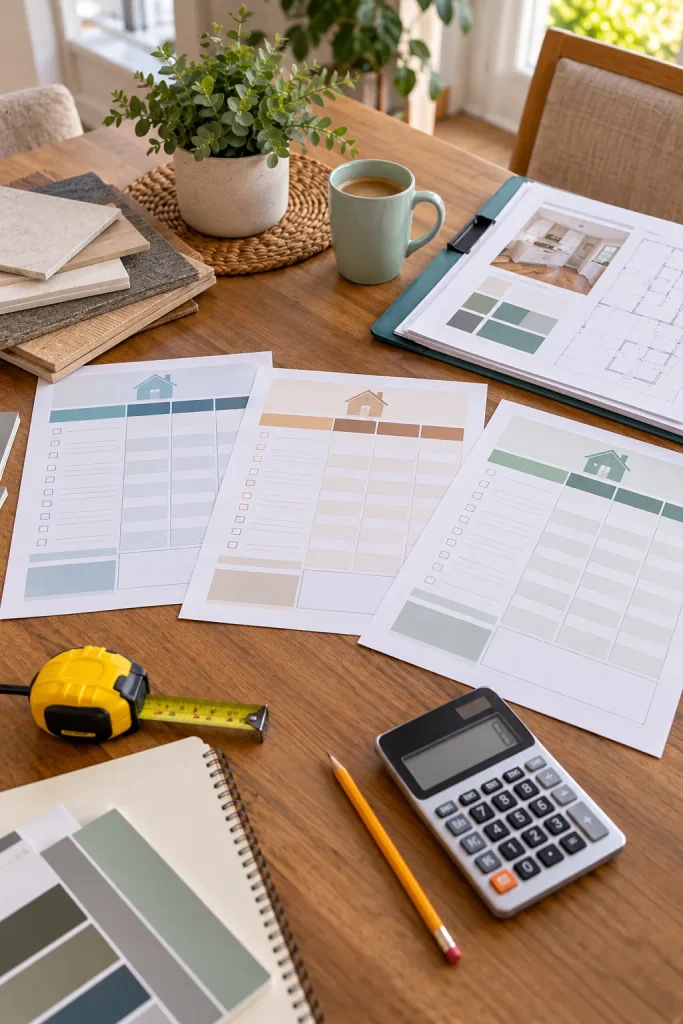
A contractor quote comparison worksheet helps homeowners place several estimates side by side before making a decision.
Design a printable with separate columns for contractor names, work descriptions, materials, expected timelines, and warranty information.
- Leave room to note work that is excluded.
- Add a section for unanswered questions.
- Include space for licensing or insurance details that buyers may need to verify.
Keep the layout neutral. The printable should help homeowners organize information, not tell them which contractor to hire.
| Quote Detail | What to Check |
|---|---|
| Materials | Are specific products and quality levels identified? |
| Scope of Work | Are preparation, cleanup, and exclusions explained? |
| Timeline | Are start dates, stages, and possible delays addressed? |
| Written Terms | Are warranties, changes, and responsibilities clearly stated? |
13. Home Repair and Service History Log
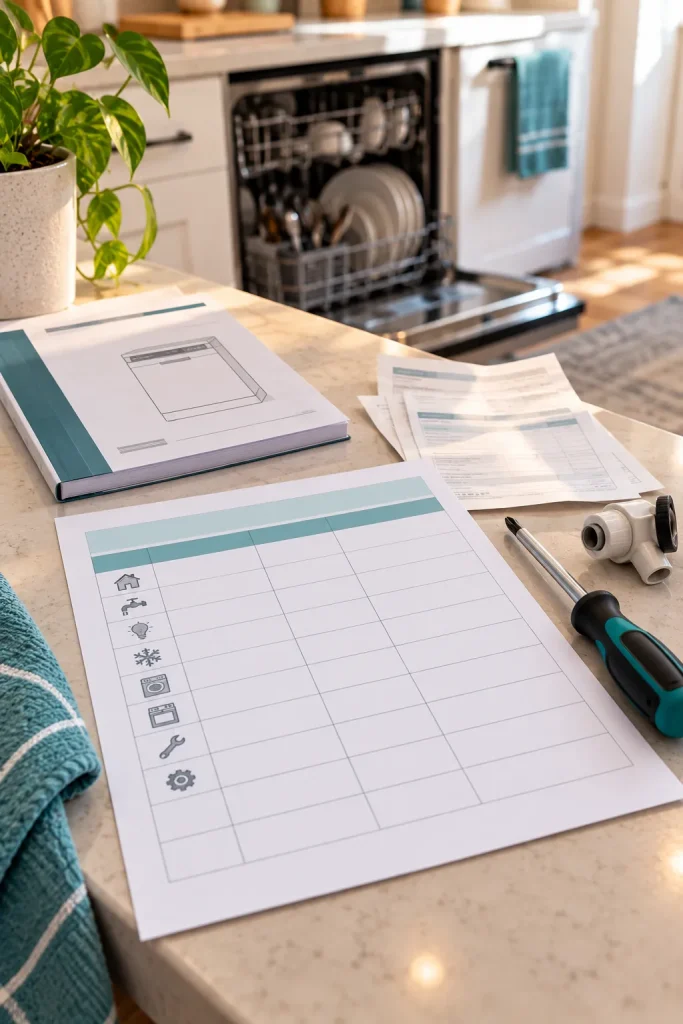
Create a record for each service visit
A repaired dishwasher can be running again long before anyone remembers who fixed it. A home repair and service history log keeps those details in one place for future reference.
This printable is useful for homeowners who want to document completed repairs rather than plan upcoming maintenance.
Include the repair date, affected appliance or area, problem description, service provider, work completed, and follow-up instructions.
Leave space for a service reference number and the location of any related paperwork.
A repeatable single-page format allows buyers to print another sheet whenever needed. Add a compact summary page for homeowners who prefer keeping a simple repair history.
A repair is finished, but the service date, technician details, and follow-up instructions are scattered across old messages.
Each completed repair has a dated record, making it easier to find earlier work details when the same issue returns.
14. Room by Room Cleaning Rotation Planner
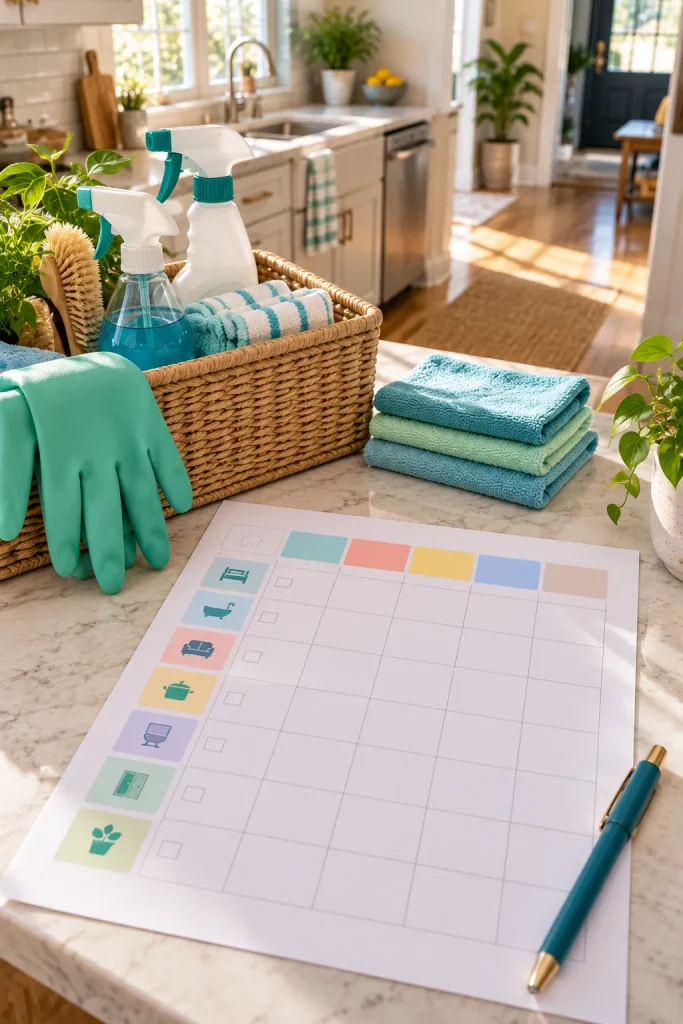
Design around rooms, not dates alone
Saturday arrives, and the kitchen needs attention while the bedrooms still have unpacked clothes on the floor. Without a plan, cleaning can turn into a collection of half-finished jobs.
A room-by-room cleaning rotation printable helps homeowners divide regular household tasks into manageable sessions.
Create separate rows for the kitchen, bathrooms, bedrooms, and shared living spaces. Add columns for tasks, assigned people, and completion checkboxes.
An undated weekly layout gives buyers freedom to adjust their routines. Include a blank version for homes with different room arrangements.
This printable can also suit couples or housemates who share cleaning responsibilities.
🧹 Build a Simple Cleaning Rotation
Choose the rooms. Write down the spaces that need regular attention.
Assign cleaning sessions. Spread bigger jobs across the week rather than stacking them on one day.
Review unfinished tasks. Move missed jobs to the next suitable session.
15. Home Tool Kit Inventory and Restock Sheet
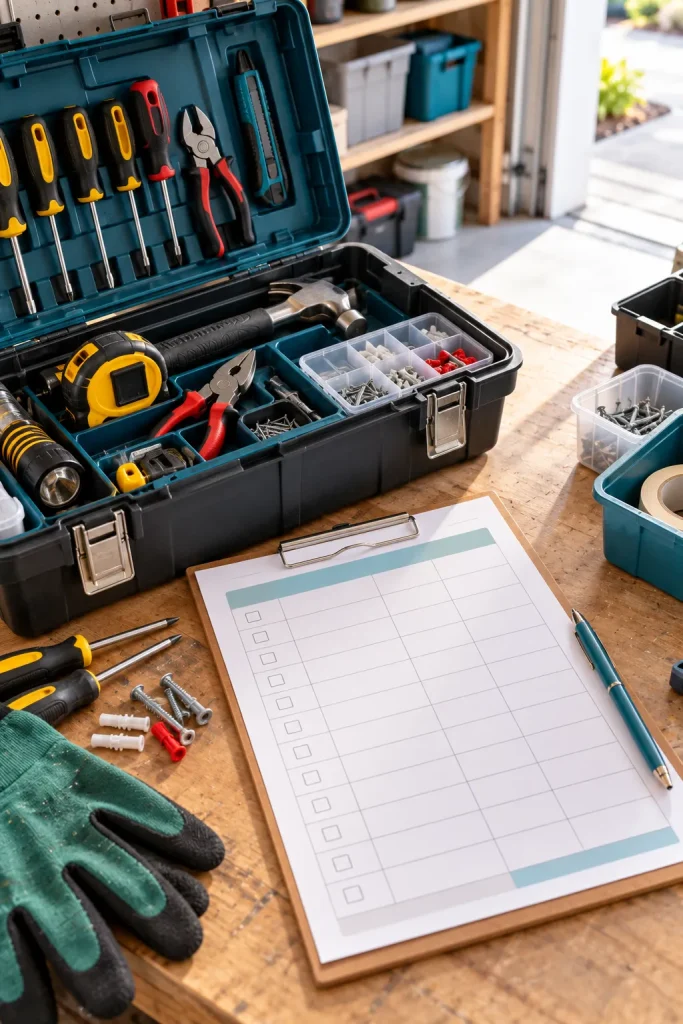
Keep the categories simple
A home tool inventory is not just for someone with a large workshop. Even a small drawer of screwdrivers, tape measures, and spare batteries becomes easier to manage when everything has a recorded place.
A printable tool kit inventory helps new homeowners see what they already own before buying more supplies.
Design the sheet with columns for the tool name, quantity, storage location, condition, and replacement notes.
Add a separate restock area for consumable supplies such as adhesive tape, screws, and batteries.
For a beginner product, combine a blank inventory sheet with an optional starter checklist. Make clear that the suggested tools can be adjusted for different homes.
16. Household Document Filing Index Printable
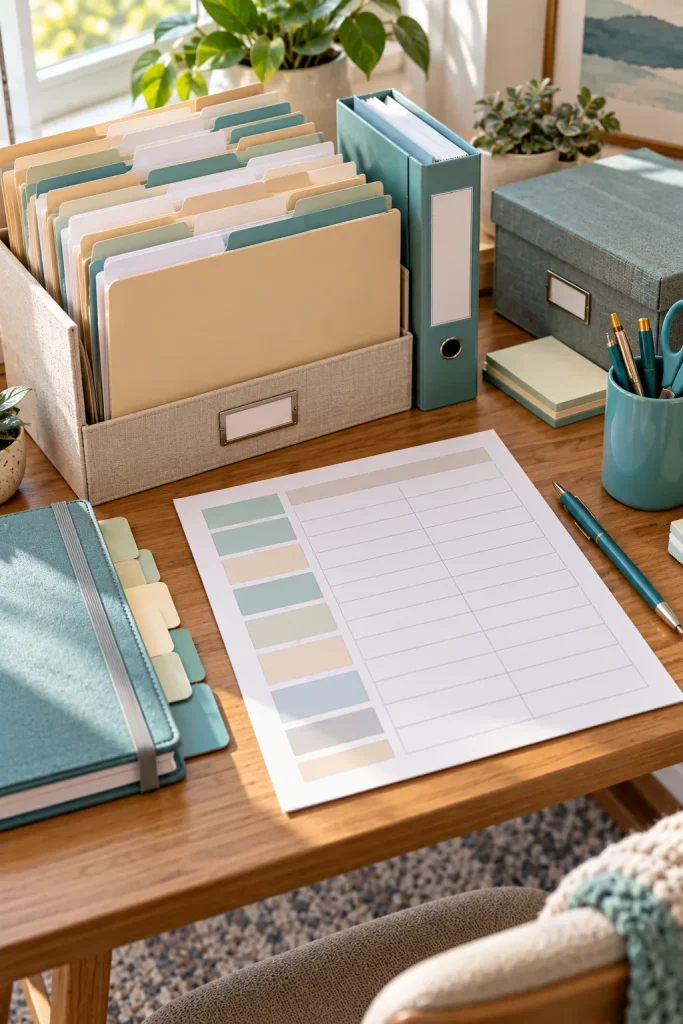
Create a location guide, not another document pile
Shoving every household document into one folder feels organized until someone needs a specific insurance letter or property record.
A printable filing index gives new homeowners a simple way to find important paperwork without searching through every drawer.
Design a one-page index with fields for document category, document name, storage location, and last review date.
Include suggested categories such as property records, insurance, household manuals, and service agreements.
The printable can work with physical folders or digital files. Keep enough blank space for buyers to create their own categories.
Avoid asking buyers to record passwords or sensitive account details directly on the index.
📌 Good to Know
A filing index should point to where documents are stored rather than copy their private contents. Use simple location labels such as “Home Binder, Section A” or “Secure Digital Folder.” Keep the index and original documents in suitable, protected locations.
17. Property Tax and Insurance Renewal Date Tracker
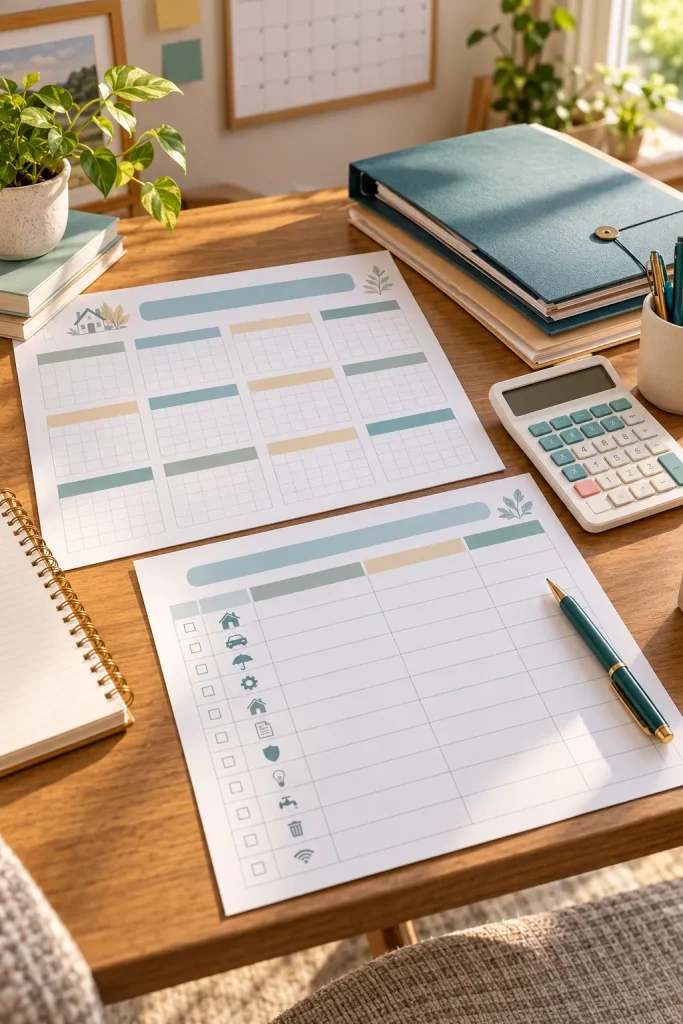
Build a clear annual reminder sheet
A property tax and insurance renewal tracker gives new homeowners one place to record important dates that may otherwise get buried in paperwork.
Unlike a monthly expense worksheet, this printable focuses on deadlines, renewal notices, and the actions needed before each date arrives.
Include fields for the document type, responsible organization, due or renewal date, reminder date, and completion status.
Add a notes box for questions or documents that need attention before renewal.
Keep the dates blank because tax schedules and insurance terms depend on the buyer’s location and individual arrangements. A simple annual overview will make the printable easy to reuse.
Copy dates from official notices and policy documents.
Record an earlier reminder date to allow time for review.
Assuming property tax dates are the same everywhere.
Treating a personal tracker as an official payment notice.
18. Home Security Device Checkup Checklist
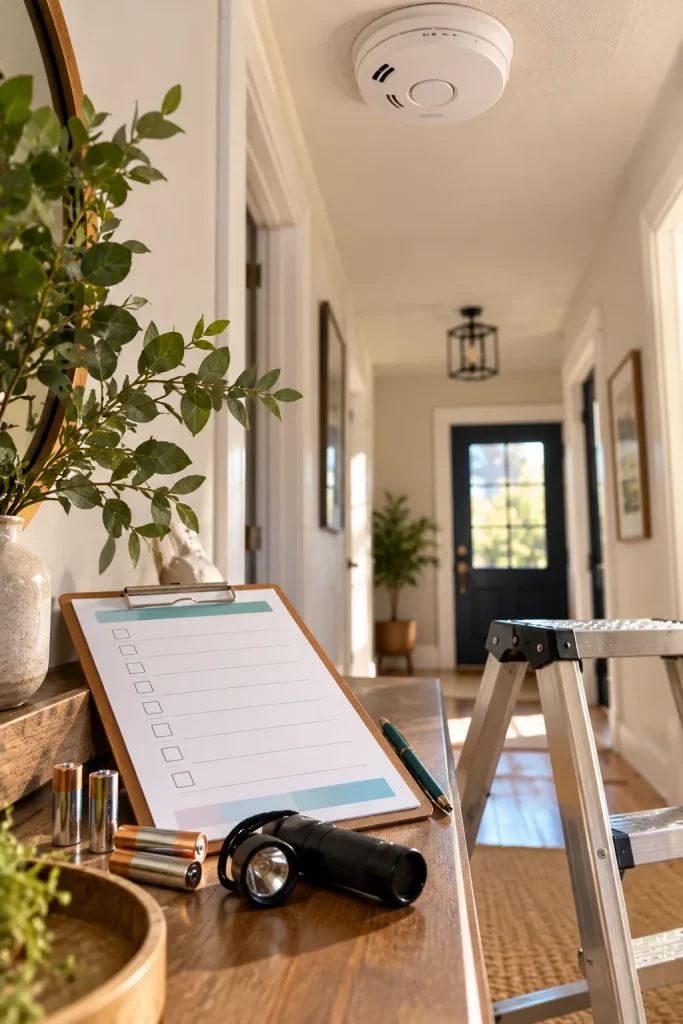
Organize it by device and location
Start with a printable that lets homeowners record which safety and security devices are installed around their property.
A security device checkup checklist can cover smoke alarms, carbon monoxide alarms where appropriate, door locks, outdoor lighting, and other household equipment.
Give each entry space for the device name, room or location, inspection date, observations, and next action.
- Include a checkbox for recording a completed check.
- Leave room for manufacturer instructions.
- Add a section for repairs or professional follow-up.
Avoid printing universal testing schedules. Buyers should follow manufacturer guidance and applicable local safety requirements. The checklist should help record checks, not replace proper installation or maintenance instructions.
🛡️ Security Checkup Printable Fields
19. Lawn and Garden Care Task Calendar
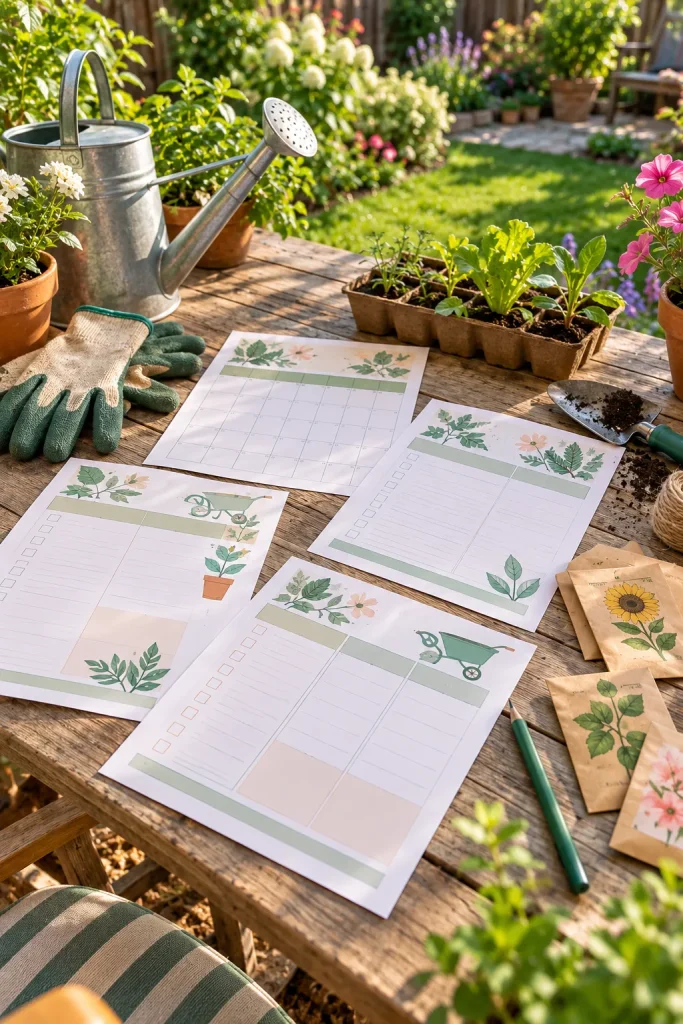
Create flexible monthly pages
A watering can beside a garden calendar makes a useful product scene, but the printable needs more than a pretty plant illustration.
New homeowners with outdoor spaces often need somewhere to record watering routines, planting plans, and seasonal garden jobs.
A lawn and garden task calendar gives them a dedicated place for those details.
Design a monthly layout with room for the task, garden area, planned date, and completion mark.
Include a small notes section for weather changes, plant observations, or supplies to gather.
Offer a blank version instead of fixed gardening dates. Plant care depends on local climate, soil, and the specific plants being grown.
Build the garden calendar around the buyer’s growing conditions, not a fixed list of dates. Leave room to adjust tasks for weather, plant needs, and seasonal changes.
20. Utility Meter Reading and Usage Log
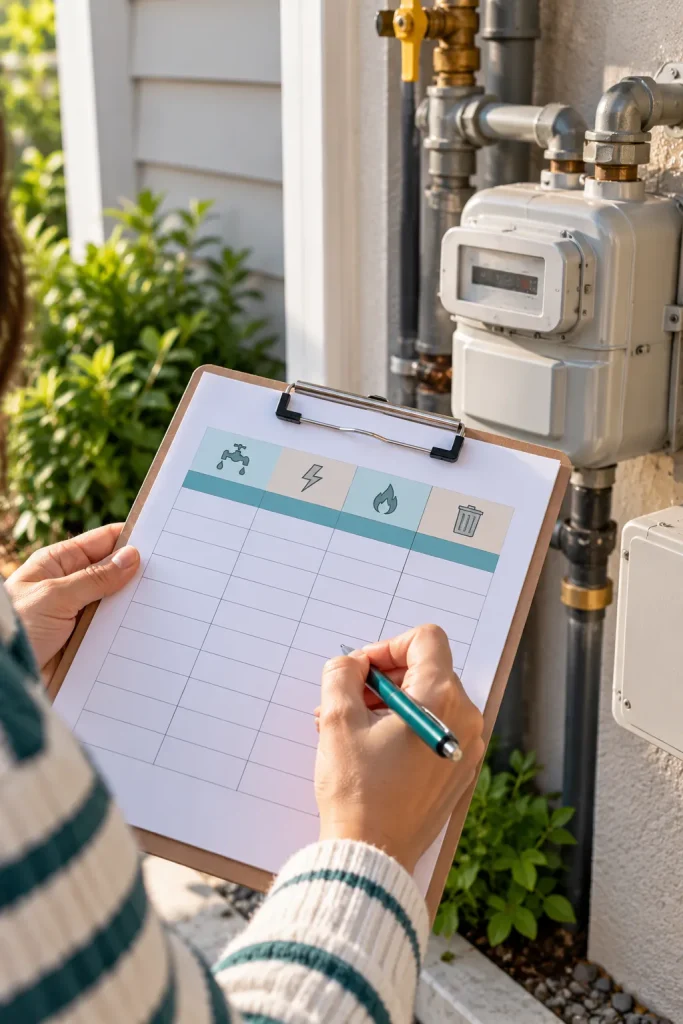
Make the recording space easy to use
A utility bill arrives, but the homeowner cannot remember the previous meter reading. Without a record, checking household usage can become confusing.
A printable utility meter log helps buyers keep dated readings in one place. It is different from a utility setup tracker because it focuses on ongoing records rather than account activation.
Include fields for the service type, meter identifier, reading date, recorded value, and unit of measurement.
Add a notes column for estimated readings or unusual changes.
A separate page for each service can make the records easier to review. Keep the layout simple enough for handwritten numbers.
| Information to Record | What to Check |
|---|---|
| Reading Date | Record the actual date the reading was taken. |
| Meter Identifier | Match the reading to the correct household meter. |
| Reading and Unit | Use the unit and reading format shown for that meter. |
| Usage Comparison | Compare consecutive readings only when the units and meter match. |
21. Printable Home Decorating Mood Board

Design a simple inspiration layout
On a dining table, fabric samples, furniture pictures, and paint colors can quickly turn into a confusing pile. A printable decorating mood board gives new homeowners a place to see how their choices work together.
Unlike a room measurement planner, this product focuses on colors, materials, and the overall look of a room.
Create a page with blank spaces for a main color, supporting colors, fabric samples, and furniture images.
Include a small area for notes about finishes or materials.
Offer both a blank printable and an editable Canva template. Buyers can build a separate board for each room without crowding every decorating idea onto one page.
22. Furniture Shopping Priority Planner
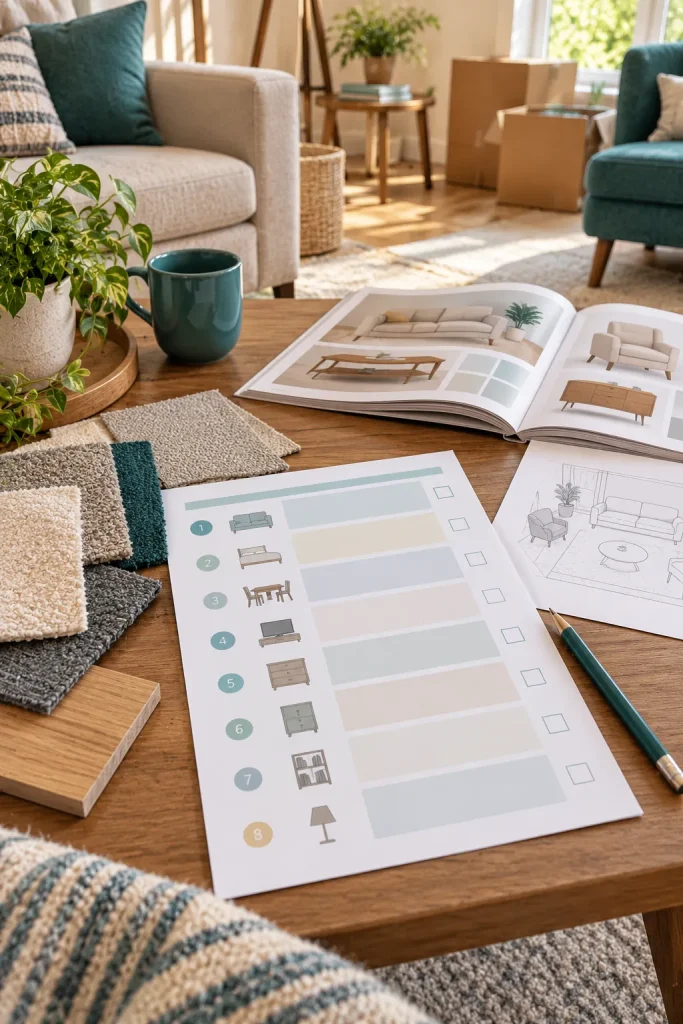
Build a useful priority system
A comfortable sofa and a dining table might both be on a new homeowner’s shopping list, but they do not always need to be purchased at the same time.
A furniture shopping priority planner helps buyers decide which pieces are needed first and which can wait.
Create separate sections for immediate needs, planned purchases, and optional upgrades.
Include fields for the room, furniture item, reason for buying, and shopping status.
Add a small space for notes about delivery or assembly requirements.
Keep this product focused on purchase order and decision-making. Furniture dimensions belong in a separate measurement worksheet, so the two products serve different purposes.
🛋️ Sort Furniture Into Three Priorities
Need Now: List furniture required for basic daily activities, such as sleeping or eating.
Buy Later: Record useful pieces that can wait until the household is settled.
Optional Extras: Save decorative or additional pieces for future consideration.
23. Homeowner Service and Neighbor Contact Directory
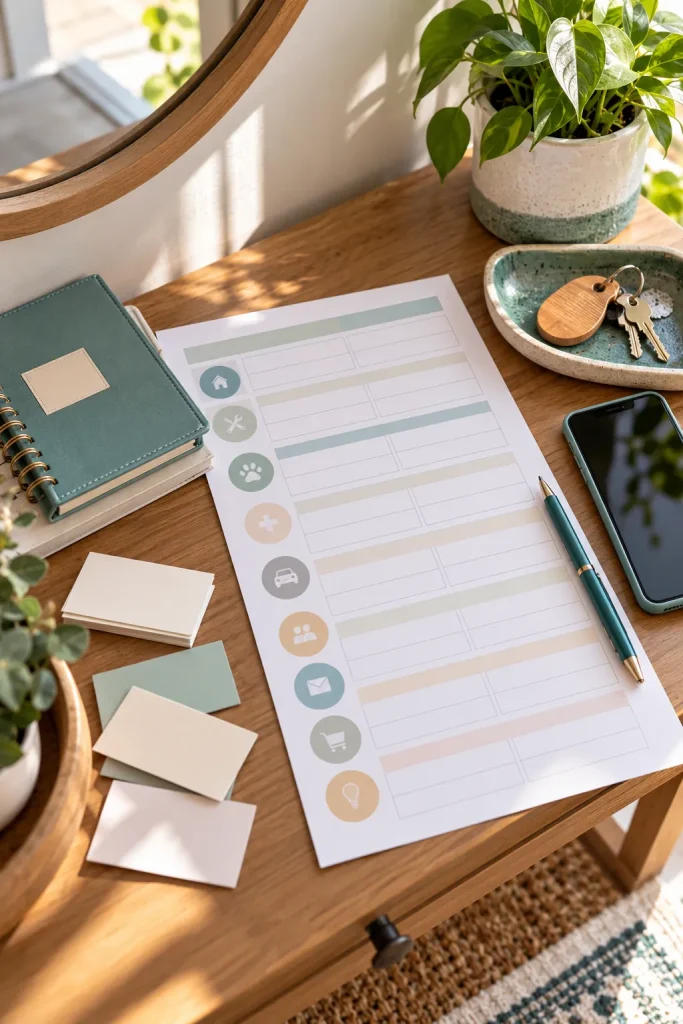
Separate household contacts by purpose
Phone numbers often end up in several places after a move. A plumber’s number might be saved in a message, while a neighbor’s contact details are written on a scrap of paper.
A homeowner contact directory collects useful names and numbers into one organized reference.
Design sections for service providers, nearby contacts, property management where relevant, and other useful household numbers.
Include fields for the contact name, service or relationship, phone number, and short notes.
A printable binder page is easy to update by hand. Remind buyers to store personal contact information privately and avoid sharing details without permission.
Service numbers are mixed with old messages, handwritten notes, and business cards in different drawers.
A private household directory groups contacts by purpose and makes useful information easier to locate.
24. Housewarming Party Planner Pack
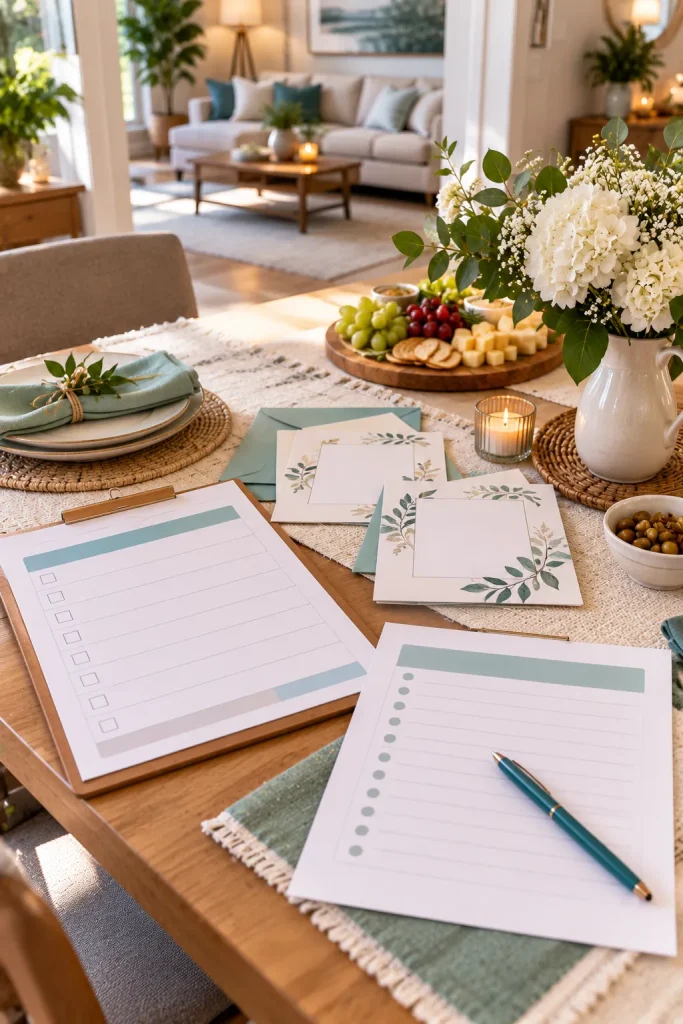
Create a coordinated printable set
Keep a housewarming planner focused on hosting guests, not unpacking moving boxes. New homeowners may want to celebrate their new place without managing invitations, refreshments, and last-minute preparations through scattered notes.
A printable housewarming party pack brings those small planning jobs together.
Include a guest list, invitation planning page, simple food checklist, shopping list, and party preparation schedule.
- Leave room for dietary needs and guest replies.
- Add blank lines for decoration ideas.
- Include a final checklist for the day of the gathering.
Use matching colors and headings throughout the set. A clean, coordinated design helps buyers understand that the pages belong together.
💡 Quick Product Tip
Offer a blank housewarming planner and a matching set of printable invitation layouts. Keep invitation wording editable so buyers can add their own date, address, and event details. Clearly show which pages are included in the download.
25. Home Improvement Wish List and Priority Board
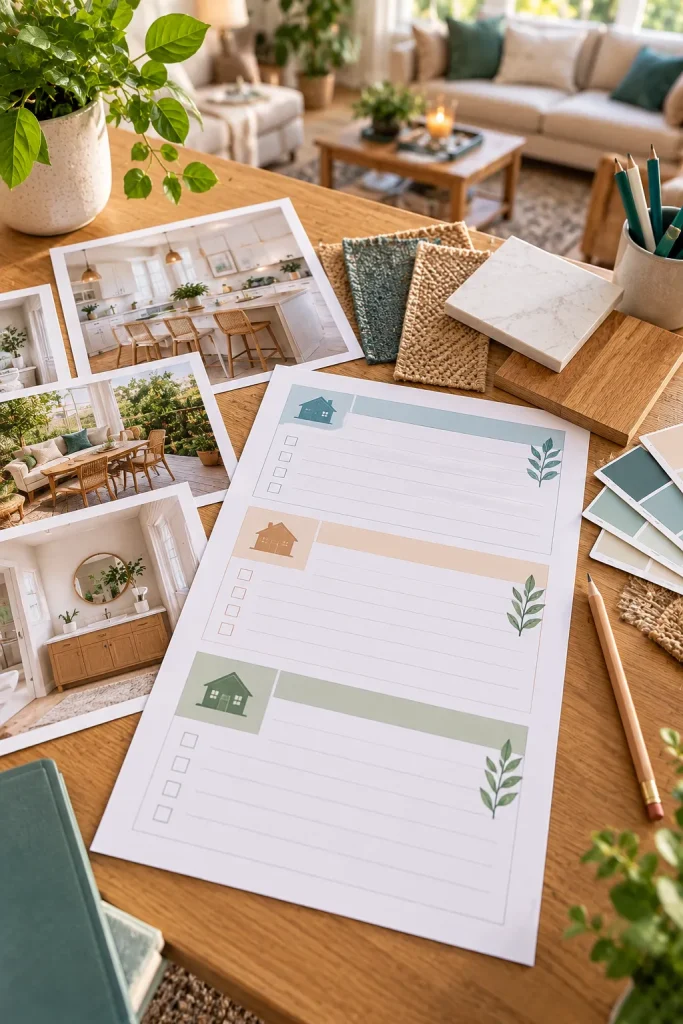
Let buyers sort ideas before planning
Some home upgrades belong on a wish list long before they become real projects. A homeowner might want better closet shelving, a brighter entryway, or a small patio update, but none needs a detailed renovation schedule yet.
Design a printable with space for the improvement idea, room, reason it matters, and priority. Add simple columns for supplies to research and whether the project is ready to plan.
Include a blank priority board with three sections: sooner, later, and someday. That makes the product useful for early decisions without repeating a full renovation planner.
Start With One Useful Home Printable
A useful printable starts with one task a new homeowner wants to handle. That might be organizing moving boxes, recording appliance details, or keeping track of future home projects.
You do not need to design an entire household binder before creating your first product. Choose a specific problem, make a clean worksheet, and check that buyers have enough room to use it.
These printables for new homeowners can give you ideas for individual downloads or small matching sets. Keep your instructions clear, use readable layouts, and check current platform rules before listing your products.
Save this list on Pinterest so you can return when you are ready to create your next printable.